Expert Insights: Trends in Sustainable Business Practices in Quebec


Understanding Sustainable Business Practices
In recent years, the concept of sustainability has gained significant traction among businesses in Quebec. As environmental concerns rise, companies are increasingly adopting sustainable practices to reduce their ecological footprint and foster a more responsible approach to commerce. This shift is not just about compliance; it is about rethinking business models to align with a more sustainable future.
Sustainability in business encompasses a wide range of practices, from reducing waste and emissions to investing in renewable energy and ethical sourcing. Companies are recognizing that these efforts not only benefit the environment but also contribute to long-term profitability and brand reputation.

Trends Shaping Sustainable Business in Quebec
Renewable Energy Adoption
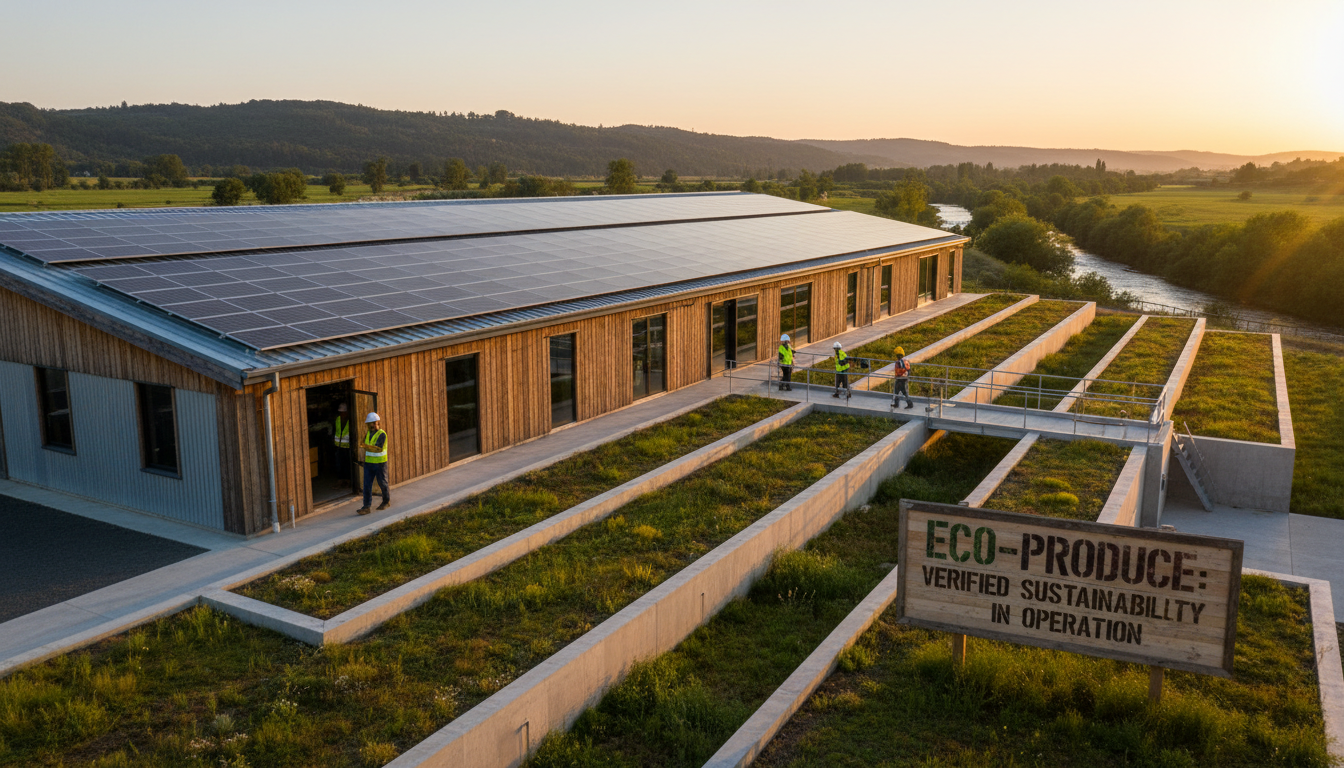
Quebec has been a leader in renewable energy, particularly hydroelectric power. Businesses are increasingly tapping into this resource to power their operations. By doing so, they reduce reliance on fossil fuels and contribute to the province's goal of reducing greenhouse gas emissions. This trend is expected to grow as more companies see the benefits of clean energy sources.
Waste Reduction Initiatives
Reducing waste is a critical component of sustainable business practices. Many Quebec businesses are implementing innovative strategies to minimize waste, such as recycling programs and the use of biodegradable materials. These initiatives not only help the environment but also reduce costs and improve operational efficiency.

The Role of Technology in Sustainability
Technology plays a pivotal role in advancing sustainable business practices. From smart energy management systems to advanced supply chain tracking, technology enables businesses to optimize their operations and reduce their environmental impact. In Quebec, companies are investing in digital solutions to enhance sustainability efforts.
For instance, data analytics is being used to monitor energy usage and identify areas for improvement. This proactive approach allows businesses to make informed decisions that align with their sustainability goals.
Collaborative Efforts and Community Engagement
Sustainable business practices in Quebec often involve collaboration between companies, government, and local communities. By working together, these entities can create comprehensive solutions that address environmental challenges. Community engagement is essential for building trust and ensuring that sustainability initiatives are well-received and effective.
Programs that involve local communities in conservation efforts or educational campaigns help foster a culture of sustainability that extends beyond the business sector.

The Economic Benefits of Sustainability
Embracing sustainable practices can lead to significant economic benefits for businesses in Quebec. Companies that prioritize sustainability often experience improved efficiency, reduced operational costs, and enhanced brand loyalty. Consumers are increasingly favoring brands that demonstrate a commitment to environmental responsibility.
Moreover, sustainable businesses are better positioned to comply with evolving regulations, avoiding potential fines and enhancing their market competitiveness. This proactive approach ensures that they remain resilient in a changing economic landscape.