
Strategic Planning for Fiscal Year End in Canada: A Comprehensive Guide


Understanding the Importance of Strategic Planning
As the fiscal year end approaches in Canada, businesses must focus on strategic planning to ensure a smooth transition into the new financial year. This process is essential for evaluating past performance, setting new goals, and aligning resources effectively. By understanding the importance of strategic planning, businesses can maintain competitiveness and drive growth.

Evaluating Past Performance
Before setting new objectives, it's crucial to assess the past year's performance. This involves analyzing financial statements, reviewing key performance indicators (KPIs), and understanding what strategies worked and what didn’t. Identifying strengths and weaknesses will provide a foundation for making informed decisions.
Conducting a SWOT analysis can be beneficial in this phase. By examining internal strengths and weaknesses, as well as external opportunities and threats, businesses can gain a comprehensive view of their current position. This analysis will help in crafting strategies that leverage strengths and address weaknesses.
Setting New Objectives
Once past performance is evaluated, businesses should set clear, achievable objectives for the upcoming fiscal year. These objectives should be specific, measurable, attainable, relevant, and time-bound (SMART). Aligning these goals with the company’s vision and mission ensures coherence and direction.

It's also important to involve key stakeholders in this process. Their insights and perspectives can help shape realistic and comprehensive objectives. Regularly reviewing and adjusting these goals throughout the year can keep the business on track.
Budgeting and Resource Allocation
Effective budgeting is a cornerstone of strategic planning. Businesses must allocate resources wisely to support their new objectives. This involves forecasting revenues, estimating expenses, and determining areas for cost savings. A well-crafted budget aligns financial resources with strategic priorities.
- Identify fixed and variable costs.
- Prioritize spending based on strategic goals.
- Monitor and adjust the budget regularly.
Risk Management
Every strategic plan should include a component of risk management. Identifying potential risks and developing mitigation strategies can safeguard the business against unforeseen challenges. This proactive approach involves assessing financial risks, market changes, and operational disruptions.
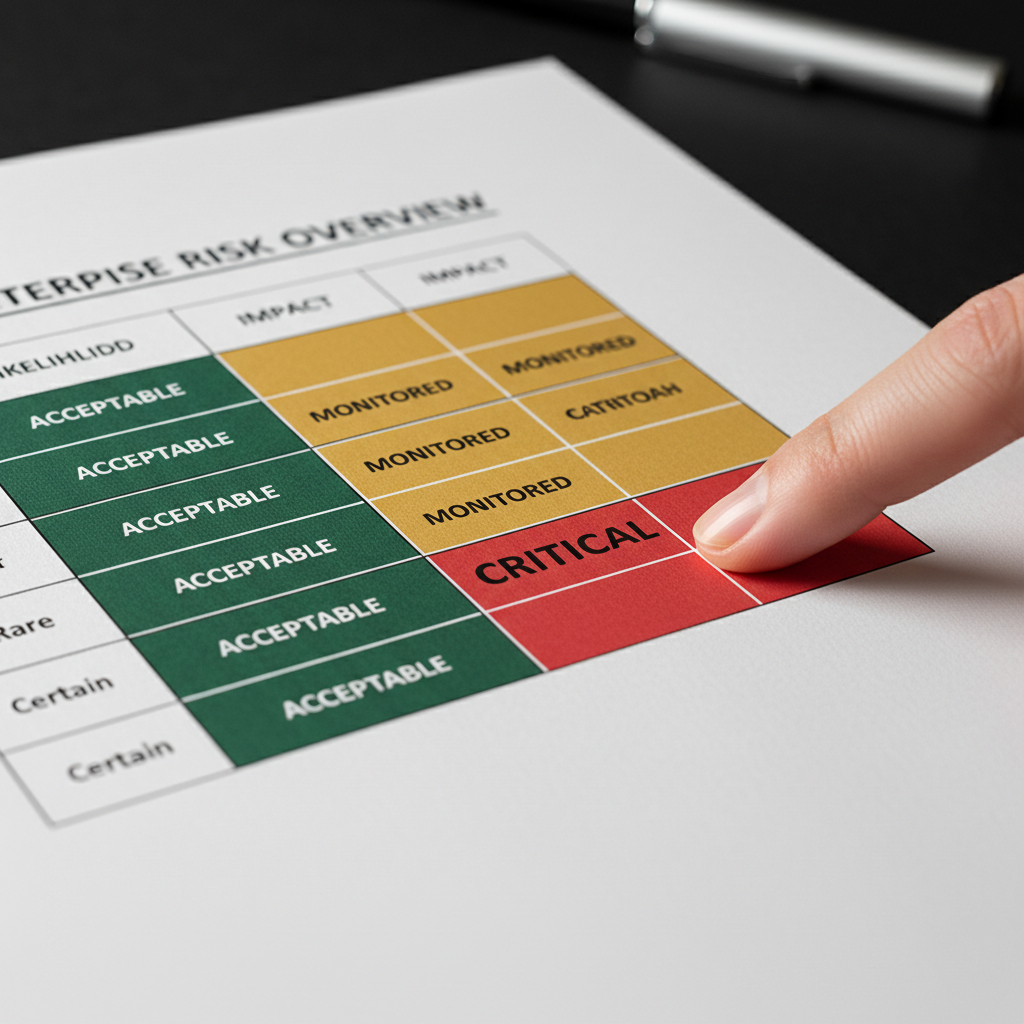
Establishing a risk management framework helps in minimizing potential impacts and ensures business continuity. Regularly updating this framework as new risks emerge is a best practice.
Implementing and Monitoring the Plan
Once the strategic plan is developed, it’s time for implementation. Assigning responsibilities and ensuring clear communication across all levels of the organization is crucial. Monitoring progress through regular check-ins and performance reviews helps in staying aligned with the set objectives.
Utilizing technology for tracking progress can enhance efficiency and provide real-time insights. Adjustments should be made as needed to respond to any shifts in the business environment.
Conclusion
Strategic planning for the fiscal year end in Canada is a comprehensive process that requires careful consideration and execution. By evaluating past performance, setting new objectives, budgeting effectively, managing risks, and continuously monitoring progress, businesses can position themselves for success in the new fiscal year. Embracing these practices ensures sustainable growth and a competitive edge.